
 BBELC
BBELC
power transformer for sale
Shanghai Beibian Technology Co., Ltd. supplies dry-type power transformers and engineered phase-shifting rectifier transformers for industrial power conversion. Choose a product family by voltage, capacity, load duty, cooling, environment and system interface.
From medium-voltage drives and heavy-duty EV charging to renewable energy, data center and marine applications, the final transformer is specified against the project’s electrical and mechanical conditions.
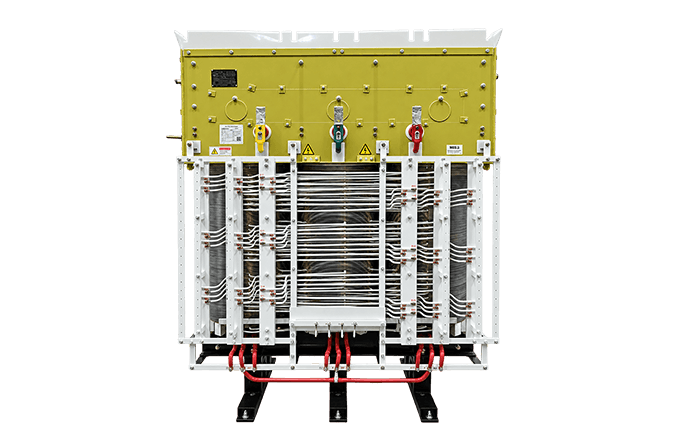
Power transformer for sale
Industrial power transformers for sale and project supply
A power transformer for sale can mean a small voltage-conversion unit, a distribution transformer, or a large engineered transformer for rectifier and drive duty. Shanghai Beibian’s listed range focuses on dry-type and special transformers for industrial systems.
The supplied product range includes phase-shifting rectifier transformers, dry-type transformers for industrial, marine, renewable and data center systems, containerized units, and high-capacity configurations for medium-voltage drives. The transformer is selected as part of the electrical system; rated voltage, frequency, phase arrangement, load waveform, cooling and installation conditions define the final design.
What is specified with the transformer
- Input and output voltage, frequency, phase arrangement, grounding method and allowable voltage variation.
- Rated capacity based on continuous, cyclic, short-time, starting or regenerative duty.
- Rectifier or drive data such as pulse number, phase shift, current waveform, harmonic spectrum and impedance requirements.
- Cooling, insulation, enclosure, installation location, altitude, ambient conditions and mechanical interfaces.
Choose a transformer by system duty and site conditions
Start with the system data, then choose the transformer family. A product name or nominal kVA alone does not define a suitable unit.
- Define the power path. Identify the input side, output side, high-voltage side, normal power flow and any reverse power flow. Confirm whether the transformer feeds a rectifier, inverter, motor drive, UPS, charging system or general distribution load.
- Calculate the duty. Use apparent power and the real load profile, including power factor, efficiency, harmonics, starting current, short-time overload, future growth and redundancy. Do not select capacity by simply adding equipment nameplate kW.
- Match the electrical design. Confirm voltage ratio, tap range, vector group, phase displacement, percent impedance, short-circuit withstand and insulation coordination. Multi-pulse rectifier projects need the transformer and converter supplier to agree on phase relationships and current sharing.
- Match the environment and installation. Provide altitude, temperature, humidity, condensation, dust, salt spray, chemical exposure, seismic conditions, ventilation, foundation, lifting route and available space. Enclosure and cooling choices can change the usable rating and maintenance requirements.
| Selection input | What it affects |
|---|---|
| Voltage, frequency and grounding | Ratio, insulation level, connection group, neutral point and protection coordination. |
| Load waveform and operating cycle | Capacity, additional loss, thermal design, impedance and rectifier compatibility. |
| Cooling and enclosure | Temperature rise, auxiliary power, ingress protection, noise and service access. |
| Site and logistics | Dimensions, weight, foundation, transport, lifting, corrosion protection and installation method. |
Power transformer product range
Review the product families below as starting points for a project specification. Each product page provides its intended application; the final rating, connection, cooling and test scope are confirmed against the project data.
Phase-Shifting Rectifier Transformer for Heavy-Duty EV Charging
Engineered phase-shifting rectifier transformer for high-power charging infrastructure, fleet depots and heavy-duty electric vehicles.
- DutyHeavy-duty EV charging
- ConfigurationPhase-shifting rectifier transformer
- ApplicationsMegawatt charging, fleets and battery swap systems
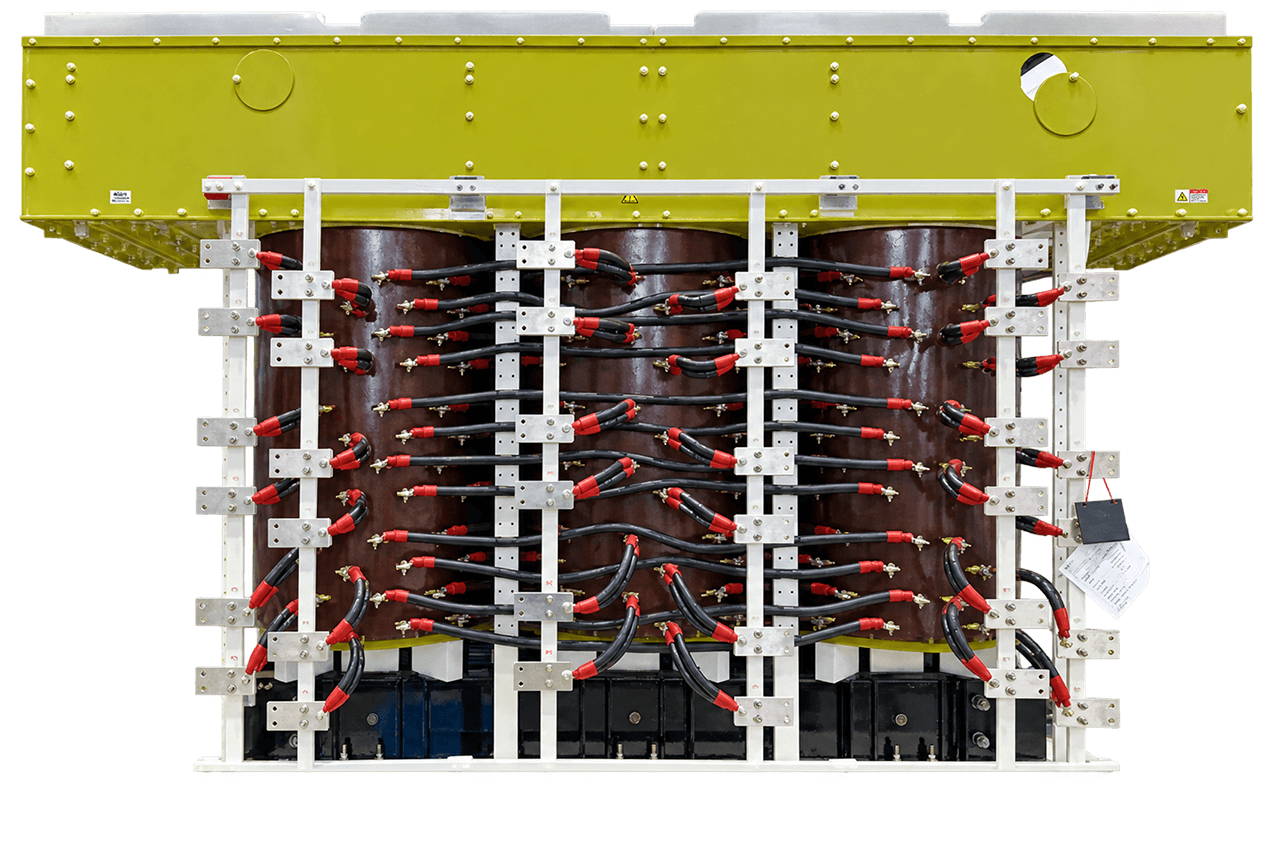
11000kVA × 4 Dry-Type Rectifier Transformer for Medium Voltage Drives
Four-unit dry-type rectifier transformer configuration for high-capacity medium-voltage drive and industrial conversion systems.
- Configuration11,000 kVA × 4
- DutyMedium-voltage drive rectification
- ApplicationsMining, oil and gas, steel, cement and rail

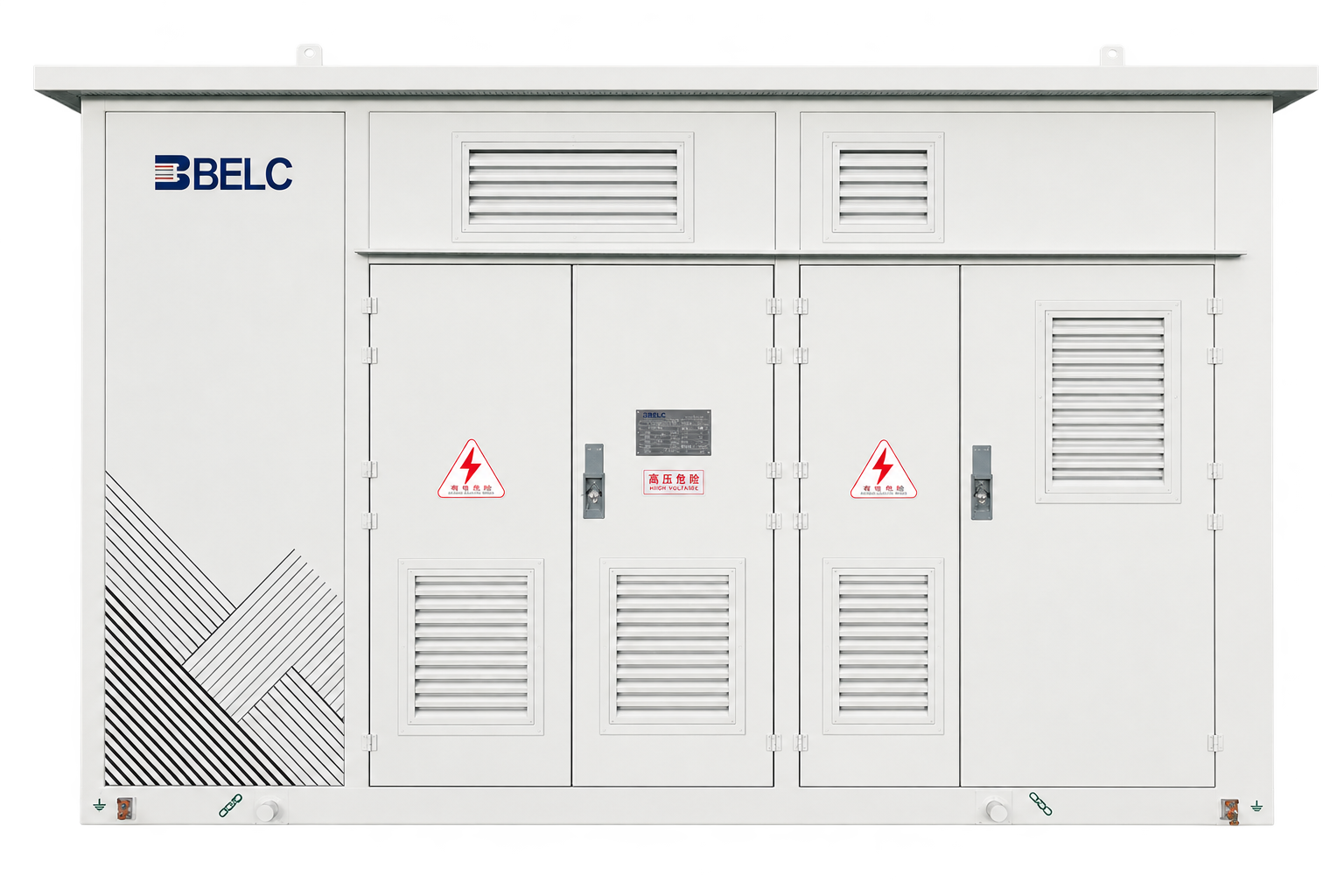
Containerized Dry-Type Transformer for Industrial Power Supply
Transportable dry-type transformer package for industrial power supply where enclosure, mobility and site integration matter.
- FormatContainerized dry-type transformer
- UseIndustrial power supply
- Site fitTransportable and outdoor project integration
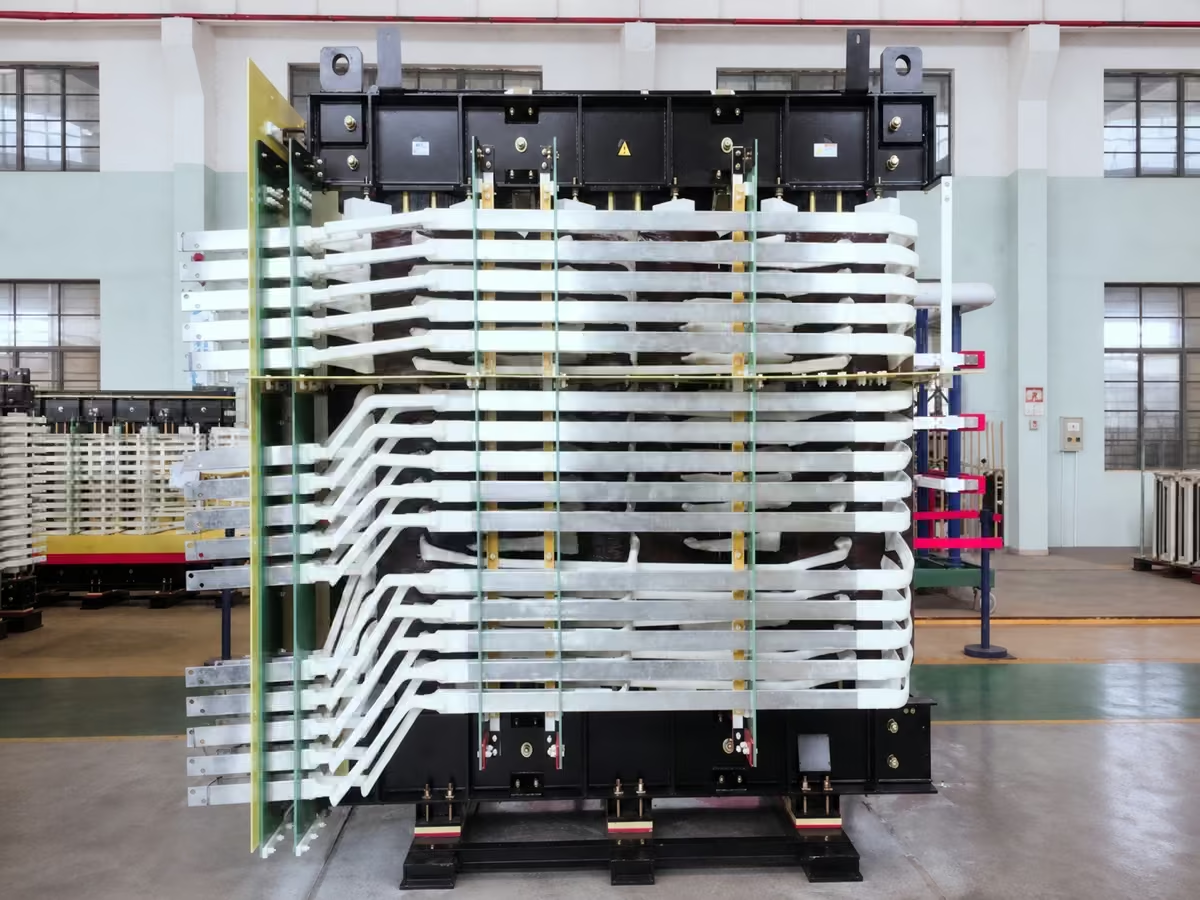
AFWF Dry-Type Rectifier Transformer for Medium-Voltage Drives
Enclosed AFWF dry-type rectifier transformer using a closed internal air circuit for demanding medium-voltage drive installations.
- CoolingAFWF air-to-water cooling
- EnclosureIP54 closed-loop air circuit
- DutyMedium-voltage drives and large-capacity rectification
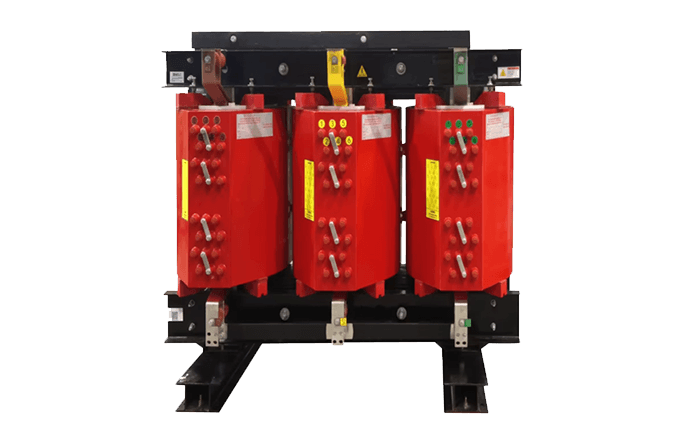
Dry-Type Transformer for Marine & Offshore Applications
Dry-type transformer for shipboard and offshore power conversion, including marine distribution, propulsion, navigation and shore power systems.
- Rated voltageUp to 35 kV
- Rated powerUp to 12 MVA
- InsulationClass F/H; project standard to be confirmed
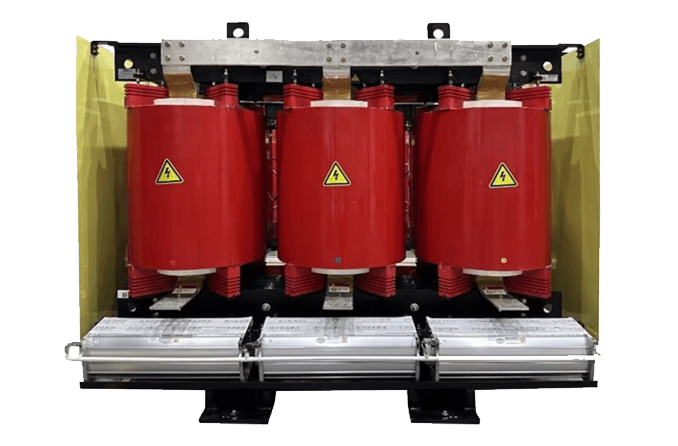
Dry-Type Transformer for Renewable Energy Systems
Dry-type transformer platform for wind, solar PV, battery storage, hydrogen and renewable grid connection projects.
- ApplicationsWind, solar PV and BESS
- Project useRenewable grid connection and testing
- EnvironmentHumidity, dust and salt conditions confirmed by project data
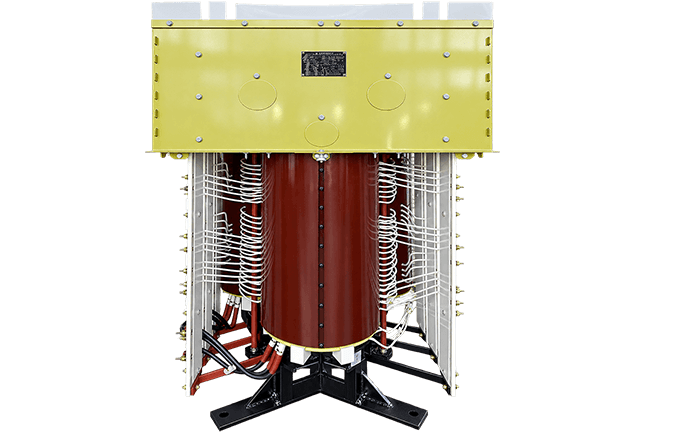
Delta-Core Phase-Shifting Rectifier Transformer
Delta-core phase-shifting rectifier transformer for projects that need a compact core arrangement and controlled industrial power conversion.
- CoreDelta-core phase-shifting design
- DutyHigh-power rectification
- ApplicationsMining, oil and gas, steel and renewable testing
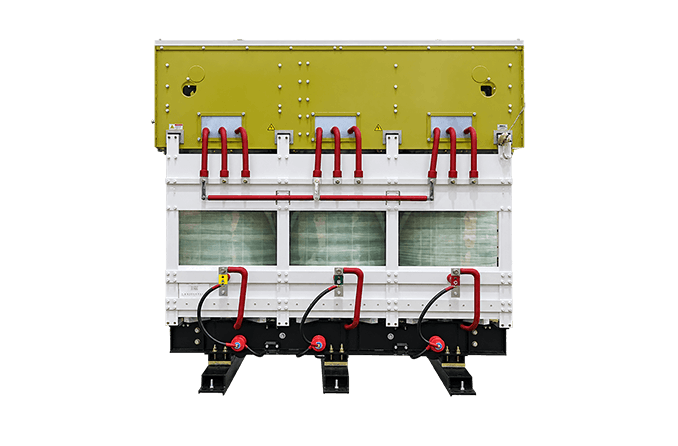
Four-Quadrant Phase-Shifting Rectifier Transformer
Four-quadrant phase-shifting transformer for drive systems with bidirectional power flow and regenerative braking requirements.
- FunctionBidirectional energy flow
- DutyRegenerative drive systems
- ApplicationsMine hoists, marine propulsion and test platforms
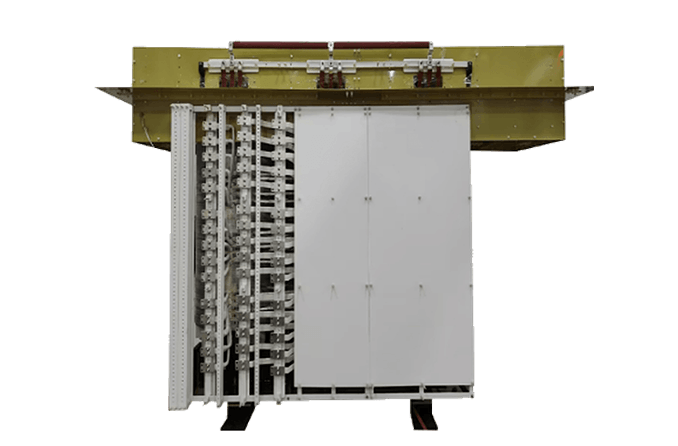
27,500 kVA & 24,300 kVA Phase-Shifting Rectifier Transformer
Large-capacity phase-shifting rectifier transformer platform for heavy-duty VFD, hoisting, offshore and other high-power conversion systems.
- Capacity options24,300 kVA and 27,500 kVA platforms
- DutyHeavy-duty rectifier and VFD systems
- ApplicationsMine hoisting, offshore platforms and vessels
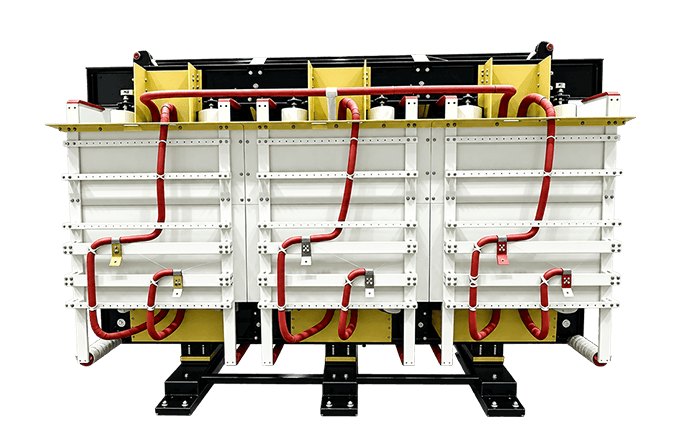
22kV / 35kV High-Voltage Multi-Winding Phase-Shifting Rectifier Transformer
High-voltage multi-winding transformer for medium-voltage connection and multiple phase-shifted outputs in large rectifier systems.
- Voltage class22 kV / 35 kV
- WindingsMultiple phase-shifted low-voltage outputs
- ApplicationsRail transit, renewable testing and high-voltage laboratories
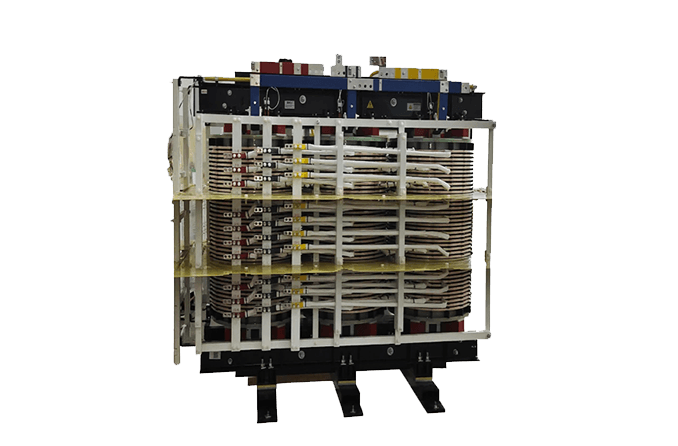
Phase-Shifting Rectifier Transformer for Data Center Power Systems
Phase-shifting rectifier transformer for HVDC, UPS front ends and modular power conversion in mission-critical data center facilities.
- ApplicationsAI, hyperscale and cloud data centers
- DC systems240 V or 336 V HVDC architectures
- IntegrationUPS front end and modular rectifier systems
Phase-Shifting Rectifier Transformer for Medium Voltage Drive Systems
Phase-shifting rectifier transformer for medium-voltage VFD systems and high-power industrial motor drive conversion.
- DutyMedium-voltage VFD systems
- ConfigurationPhase-shifting rectifier transformer
- ApplicationsMining, oil and gas, steel, cement and rail
Technical parameters and delivery package
A project quotation should compare the same technical scope across suppliers. The following information makes the request reviewable and keeps the selected transformer aligned with the installed system.
| Data to include | Why it matters |
|---|---|
| Rated capacity and load profile | Determines thermal duty, overload margin, cooling and future-growth allowance. |
| Primary and secondary voltage, frequency and vector group | Defines the ratio, phase relationship, grounding arrangement and parallel-operation conditions. |
| Rectifier or drive information | Pulse number, phase shift, current waveform, harmonics, impedance and regeneration affect winding and loss design. |
| Insulation, altitude and environment | Sets insulation coordination, clearances, temperature rise, enclosure and derating conditions. |
| Mechanical and project interfaces | Confirms dimensions, weight, terminals, cable entry, foundation, lifting, transport and installation boundaries. |
| Tests and documents | Defines routine tests, witness points, drawings, data sheets, reports and handover records. |
For engineered equipment, the final offer should identify assumptions, exclusions, deviations and the data required before design is released.
Applications for industrial power conversion
Medium-voltage drives and rectifier systems
Phase-shifting rectifier transformers support high-power VFDs, industrial drives, mining hoists, metallurgy, cement, oil and gas, rail transit and large testing platforms. Pulse number, phase displacement, impedance and duty cycle are confirmed with the drive and rectifier suppliers.
Heavy-duty EV charging
EV charging infrastructure for trucks, fleet depots, megawatt charging stations and battery swap systems requires a transformer matched to the converter architecture, charging profile, harmonics, capacity and site connection.
Data centers and renewable energy
Data center and renewable projects may involve HVDC, UPS front ends, solar PV, wind, BESS, hydrogen or grid-connection systems. The load map, redundancy mode, harmonic data, thermal conditions and protection study should be part of the selection package.
Marine, offshore and containerized supply
Marine, shore-power, offshore and containerized industrial systems add requirements for salt spray, humidity, enclosure, transport, lifting, ventilation, corrosion protection and maintainability. These conditions should be fixed before the design is released.
Routine testing before shipment
The supplied product information describes a routine test sequence before shipment, with a test report provided for delivered transformers. The exact test plan depends on the transformer type, project specification and agreed witness points.
- Insulation resistance and dielectric withstand tests.
- Voltage ratio, vector group, phase displacement and winding resistance.
- Short-circuit impedance, load loss, no-load current and no-load loss where applicable.
- Induced withstand voltage and partial discharge measurement where required.
- Visual, dimensional, accessory, temperature-control and nameplate checks.
- Final quality release and document package linked to the delivered unit.
For a specific project, the purchase specification should state the applicable standard and version, acceptance values, witness points, special tests and the documents required at shipment.
Manufacturer support for engineered transformer supply
Shanghai Beibian Technology Co., Ltd. develops, designs and manufactures special transformers and power-conversion products. Its supplied product scope covers medium- and high-voltage drives, rectification, renewable energy, EV charging, data centers, marine systems and shore power.
The company information provided for this project identifies manufacturing locations in Shanghai Songjiang, Zhejiang Wenzhou and Shandong Jinan. Internal PLM, ERP, MES and QMS systems connect engineering, purchasing, production, quality, inventory and order processes.
For a project quotation, the engineering and commercial package can be organized around the agreed data sheet, general arrangement, interface schedule, cooling and protection requirements, inspection and test plan, test reports and handover documents.
Request a transformer quotation
Transformer pricing and delivery depend on the complete configuration rather than kVA alone. The quotation should state the voltage class, capacity, duty cycle, winding arrangement, phase shift, impedance, cooling, insulation, enclosure, accessories, tests, quantity, destination and required delivery schedule.
Send these details with your inquiry
- Single-line diagram or a clear description of the power path.
- Primary and secondary voltage, frequency, phase, grounding and allowable voltage range.
- Load type, continuous and peak power, starting or regenerative duty, harmonics and operating cycle.
- Indoor or outdoor location, altitude, ambient conditions, corrosion exposure, noise limits and available space.
- Required interfaces, drawings, inspection points, test reports, packing, trade term and destination.
Shanghai Beibian can then confirm the suitable product family, required technical clarifications and the scope of a project-specific offer.
Request a QuoteRequest a Quote
- Phone: 8615267082061
- Email: [email protected]
- WhatsApp: 8615267082061
- Address: 333 Minta Road, Songjiang District, Shanghai